 Driest
Guides
Language
EnglishCurrency
US dollar · $GetYourGuide uses the currency you choose.
Guide · Best time
The best time for whale watching in Norway, month by month
Andøya's whale boats sail in summer, the herring fjords of Troms fill with orcas in winter. Here is the best time for whale watching in Norway for each of them, with the light, the warmth and the rain you can expect at the Andøya weather station.
Check availabilityfrom $201 · free cancellation possible
Editorial team, bleikwhalewatching.comUpdated October 20, 2026Read time: 6 min13 sources
Quick answer
- 01Andøya
- Whale safaris from Andenes and Stø run from May to September.1
- 02Warmest
- July, with an average high of 14 °C at the Andøya station.2
- 03Midnight sun
- At mid-June and mid-July the sun stays up all day.2
- 04Puffins
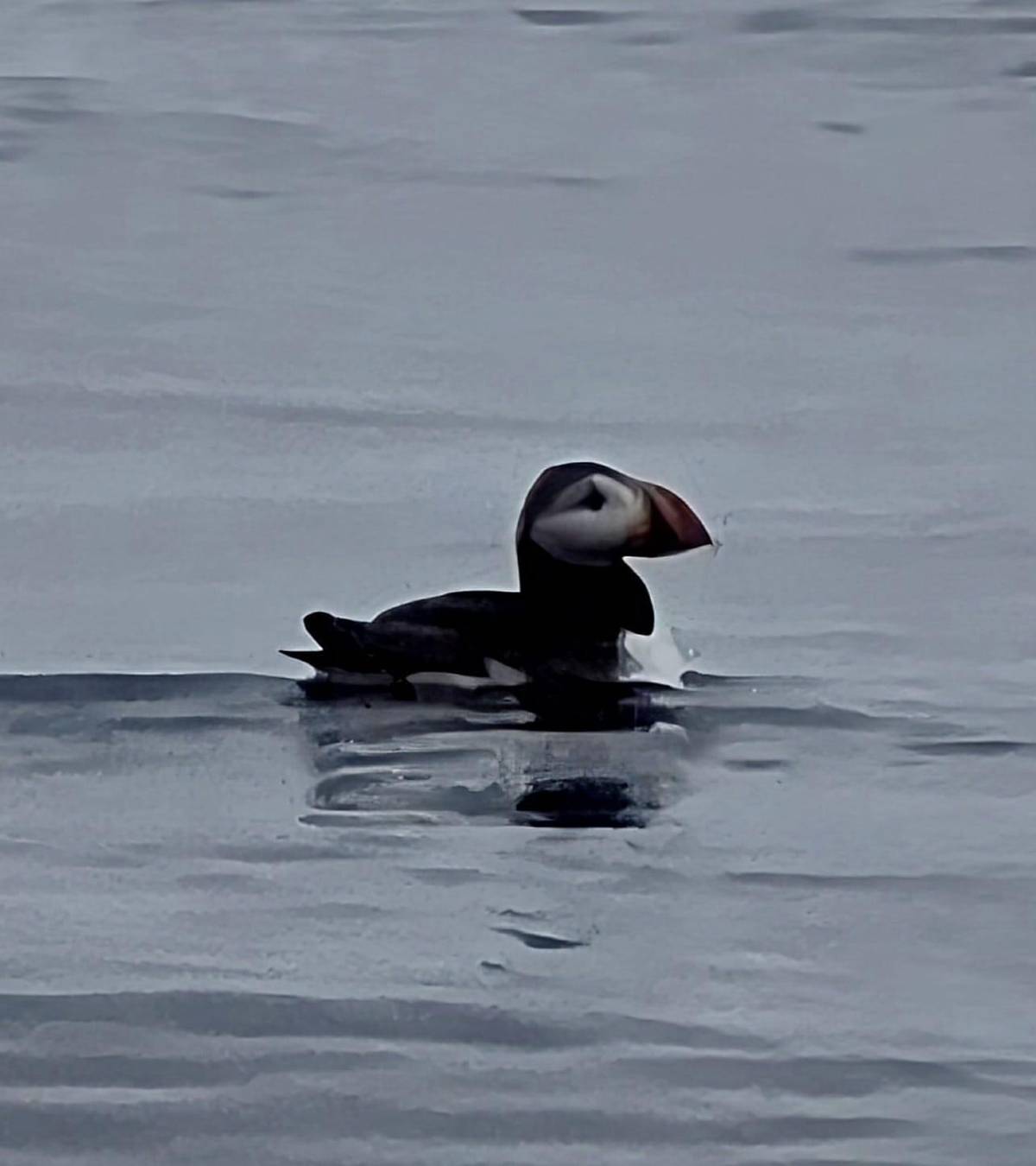
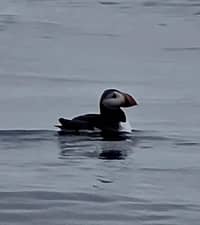
- Puffin safaris at Bleik run from May to August.3
- 05Winter orcas
- North of Tromsø, usually early November to the end of January.4
Two seasons, two different trips
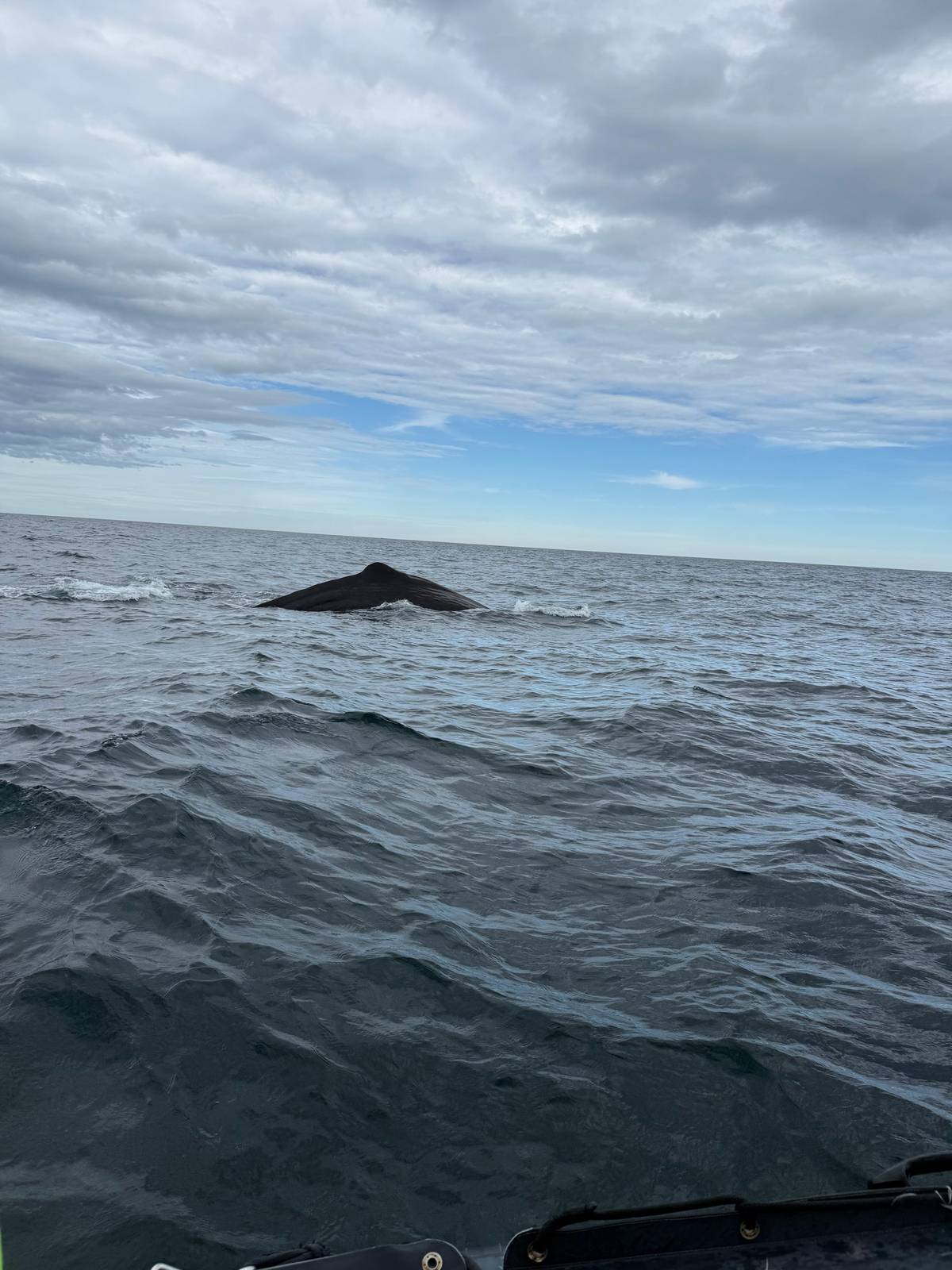
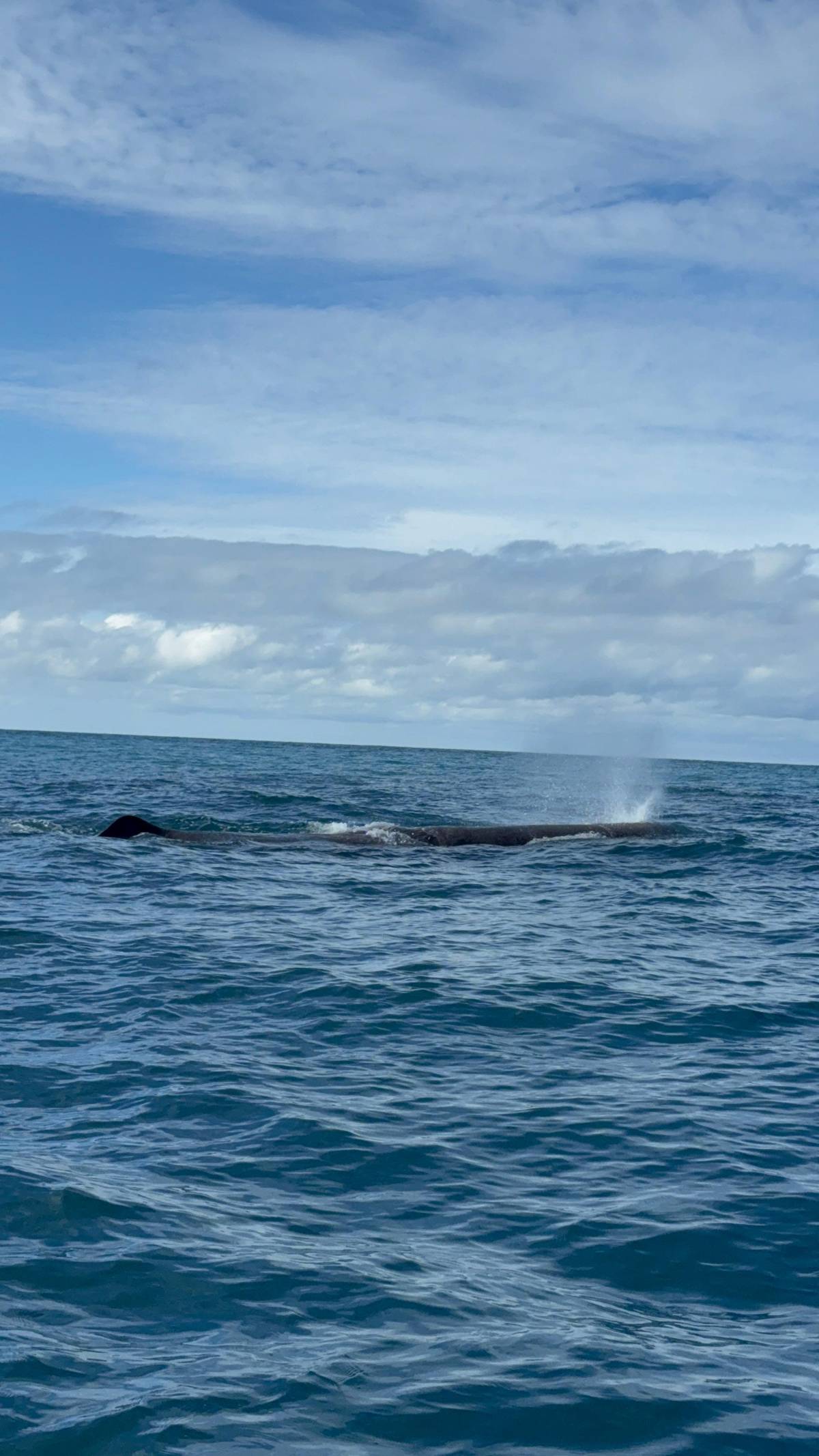
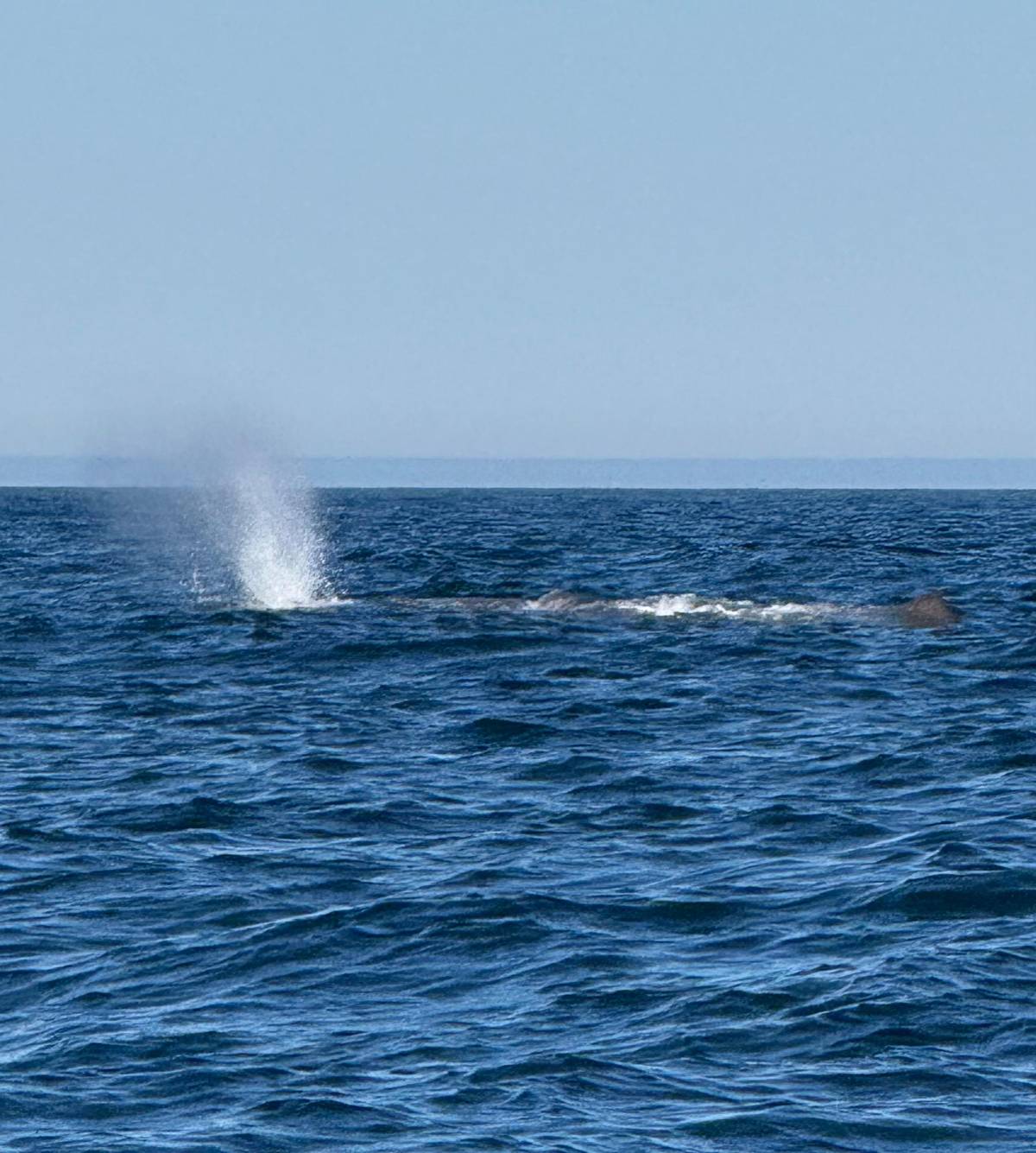
There is no single best month, because Norway has two whale seasons with different animals. Whale watching in Norway in summer means the outer coast of Vesterålen, where Visit Vesterålen says safaris leave Andenes and Stø from May to September and look mainly for sperm whales.1 In winter the attention moves to the herring fjords of Troms.
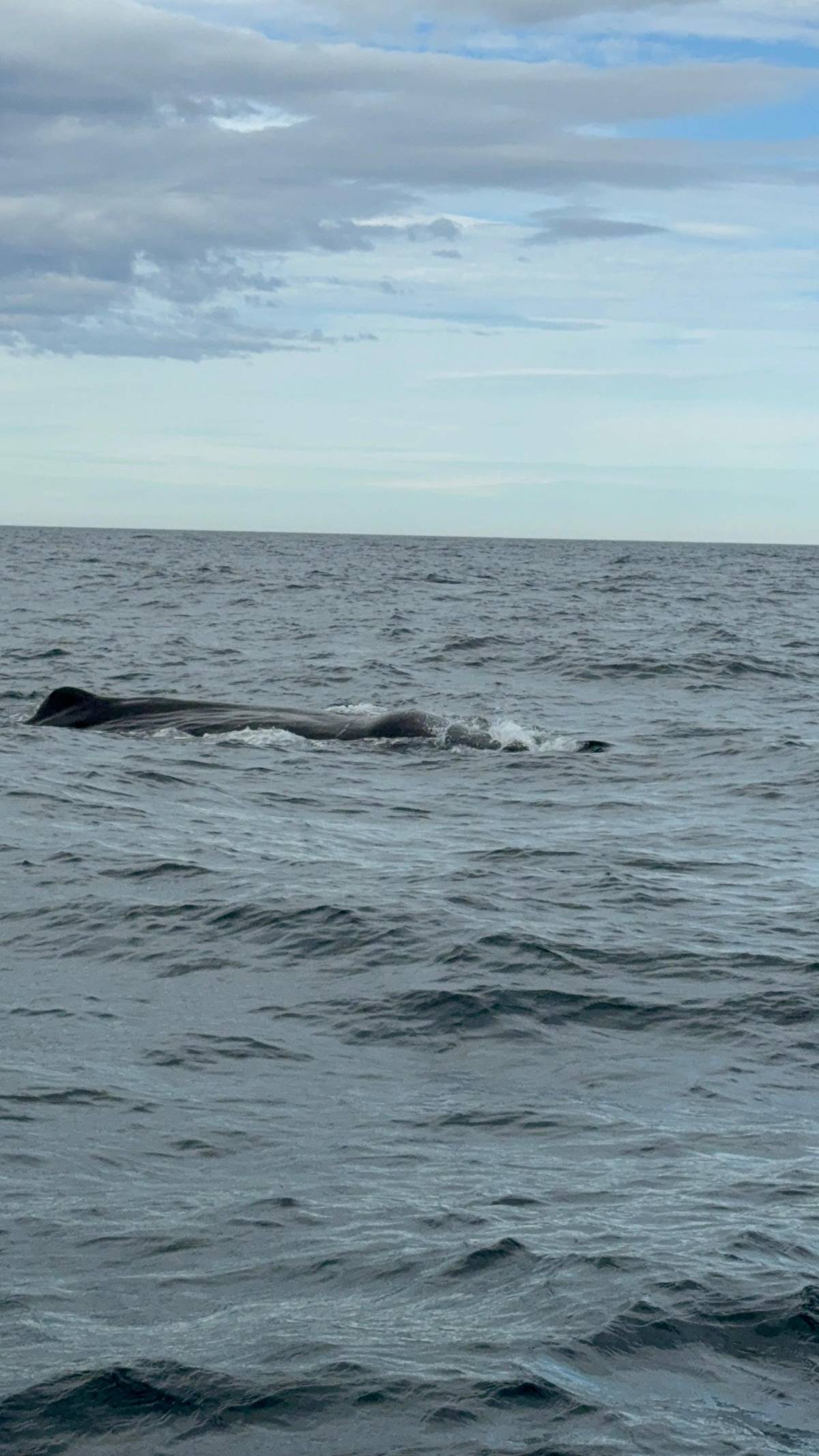
The sperm whale itself is not seasonal here. Visit Vesterålen calls it a permanent resident of Bleiksdjupet, living in the deep channels off Andenes all year round.5 What changes with the months is the weather, the light and which boats are running. The Bleik speedboat trip this site recommends is a summer trip, and its listing shows the dates it sails in the booking calendar.
So pick the season first, then the month. For sperm whales, puffins and endless daylight, aim between late May and August. For orcas and humpbacks in snowy fjords, look at November to January, and accept that the herring decides the details. The month-by-month notes below use NOAA's long-term averages for the Andøya weather station.
The year at a glance
From the first summer boat to the winter herring
-
May
Whales and puffins
-
June
Driest month
53 mm of precipitation and the sun up all day at mid-month.2
-
July
Warmest month
An average high of 14 °C; the midnight sun lasts until July 23.2
-
August
Puffins leave
The birds leave Bleiksøya around 20 August.6
-
September
Last summer trips
The final month for safaris from Andenes and Stø.1
-
November
Herring season
Winter whale season north of Tromsø usually begins.4
May and June: the first trips and the endless light
May opens the summer season. At the Andøya station May averages a high of 8.5 °C and a low of 3.2 °C, with 21.3 hours of daylight by the middle of the month.2 Puffin safaris at Bleik also start in May, so the bird island is busy from the beginning of the whale season.3
June is the driest month on the record, with 53 mm of precipitation and 6 days reaching 2.5 mm.2 The average high climbs to 11.1 °C and the low to 6.6 °C, and at mid-June the sun does not set at all.2 Long-finned pilot whales are mostly a summer animal in Norwegian waters, which adds another species to look for from June onwards.7
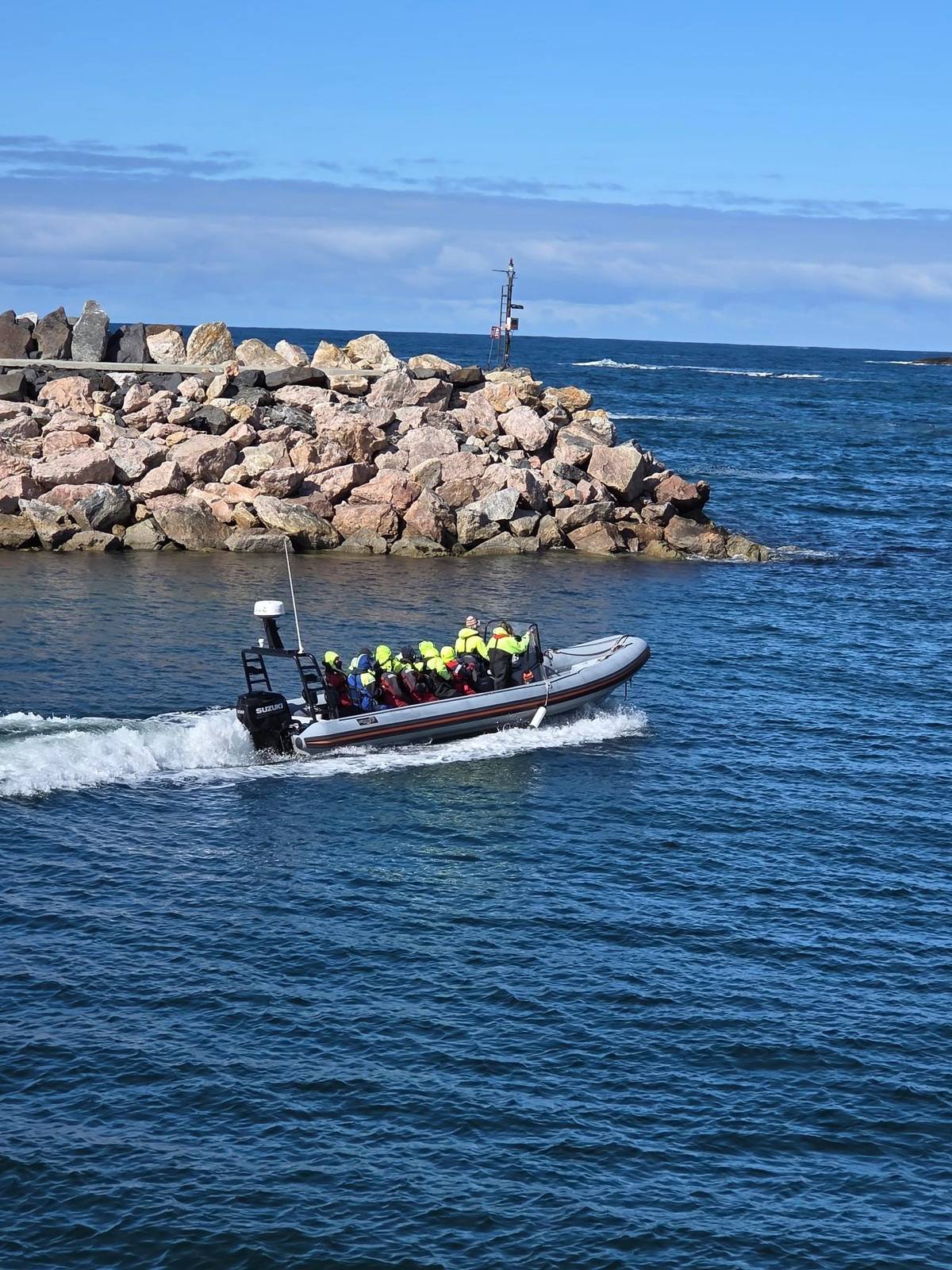
Early summer can feel fresh on the water, especially on a fast boat. The Bleik trip lends warm flotation suits, but a hat and gloves of your own still help on a grey day. The upside of these weeks is that the island is quieter than in high summer and the light is soft for photographs almost round the clock.
Month by month
Light and rain at the Andøya station
Hours without sunDays with precipitationSeason
The numbers
Daylight, temperature and wet days on Andøya
| Month | Daylight (h) | Darkness (h) | High / low | Wet days | Light at mid-month |
|---|---|---|---|---|---|
| Jan | 1.3 | 22.7 | 1 / -4 °C | 13 | |
| Feb | 7.4 | 16.6 | 1 / -4 °C | 12 | |
| Mar | 11.5 | 12.5 | 2 / -3 °C | 13 | |
| Apr | 15.9 | 8.1 | 4 / -1 °C | 9 | |
| May | 21.3 | 2.7 | 9 / 3 °C | 7 | |
| Jun | 24 | 0 | 11 / 7 °C | 6 | midnight sun |
| Jul | 24 | 0 | 14 / 9 °C | 7 | midnight sun |
| Aug | 18.1 | 5.9 | 14 / 9 °C | 8 | |
| Sep | 13.5 | 10.5 | 11 / 6 °C | 11 | |
| Oct | 9.3 | 14.7 | 7 / 2 °C | 14 | |
| Nov | 4.5 | 19.5 | 4 / 0 °C | 13 | |
| Dec | 0 | 24 | 2 / -2 °C | 13 | polar night |
Daylight hours at mid-month, temperatures as mean daily highs and lows, wet days with at least 2.5 mm. Source NOAA, 1991 to 2020.2 Season according to Visit Vesterålen (summer whale safaris from Andenes and Stø).1
Three summer windows
Early, high or late summer
Driest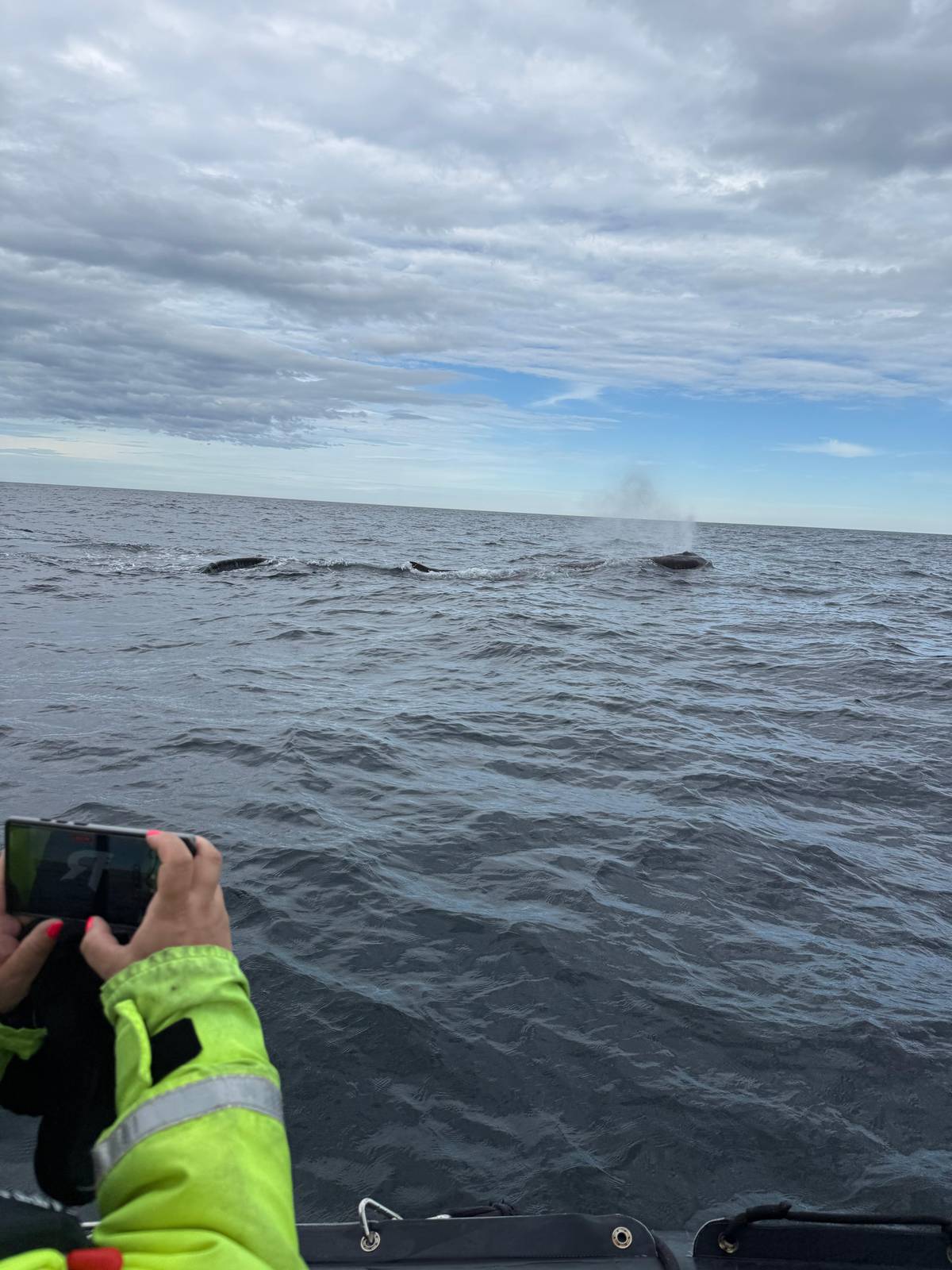 Warmest
 Fewer puffins
Late summer
August and September
- Daylight Aug
- 18.1 hrs
- Puffins
- leave about 20 Aug
- Rain in Sep
- 112 mm
Decision helper
Which month suits your trip?
Choose what matters most to you
The herring appear sometime in November and have stayed until early February in recent years. December and January are therefore likely to be the best months in which to see the whales.
July: warmest month, midnight sun
July is the warmest month at the Andøya station, with an average high of 14 °C and a low of 9.3 °C, and 59 mm of precipitation over the month.2 At mid-July the sun is still up for the full 24 hours.2 One Andenes whale listing gives May 23 to July 23 as the span of the midnight sun.
Visit Vesterålen says the period of constant daylight lasts about 2 months in the region.9 That turns an evening trip into something special. The Bleik listing gives departures at 10:00 and 21:00, so in high summer you can ride out to the canyon in the late evening with the sun hanging low over the sea.
High summer weeks fill up, so book your boat early if your dates are fixed. Booking now with payment later, and a refund if you cancel a full day ahead, lets you hold a place and still adjust if the forecast turns.
Video
A summer as a whale guide in Vesterålen
Nothing loads from YouTube until you press play.
August and September: darker evenings, the last puffins
August is almost as mild as July, with an average high of 13.9 °C and a low of 9 °C, but the nights return: the sun is up for 18.1 hours at mid-month.2 The puffins do not stay for long either. Visit Vesterålen says the birds leave Bleiksøya around 20 August.6
September is the last month of the summer whale safaris from Andenes and Stø.1 It is also clearly wetter, with 112 mm of precipitation and 11 days of at least 2.5 mm, while the average high is still 11.1 °C.2 Daylight at mid-month has dropped to 13.5 hours.2
If you travel by road from Senja, note that the summer ferry between Gryllefjord and Andenes has its 2026 season running until 27 September.10 Check the timetable before you plan the drive, because the crossing only runs in the summer half of the year.11
Winter: herring, orcas and the dark months
From October the story changes. Humpback whales move back towards the coast of Northern Norway in October and November and feed on herring there until they head south.12 Orcas gather in the coastal waters of Troms while the herring winters there, from November to February.13
Visit Tromsø gives the usual whale season north of the city as early November to the end of January, mainly around Skjervøy and Kvænangen.4 Vesterålen has a winter season as well: the herring has recently appeared there some time in November and stayed until early February, which makes December and January the likeliest months.8
The dark season is truly dark. By the middle of December the sun no longer rises over the Andøya station, and a month later it shows for just 1.3 hours a day.2 The Bleik speedboat does not run then: its listing describes summer whale watching only. For a winter trip, look at the herring coast and its own boats.
Rain, wind and the sea
Andøya is an outer coast, open to the Norwegian Sea, and the weather shows it. October is the wettest month at the station, with 139 mm of precipitation and 14 days of at least 2.5 mm.2 Summer is the drier half of the year by comparison, and June has the lowest monthly total.2
Even in summer, days of rain are normal: July averages 7 days with at least 2.5 mm.2 Rain itself rarely stops a whale trip. Wind and swell are what matter, because a small boat needs a reasonable sea to cross out to the deep water and back safely.
When the sea is too rough, crews may cut a trip short, keep to calmer water near the coast or call it off and offer another day. What applies is set by each operator and stated on its listing, so read the terms before you book and keep your travel plans loose by a day if you can.
Picking your dates
If you want sperm whales, puffins and the midnight sun together, the overlap is late May to July. Puffin safaris run from May to August, and the midnight sun lasts until July 23 by one Andenes listing.3 August keeps the whales and the mild weather but loses the puffins after the middle of the month.6
If you are flexible, plan a few nights on Andøya rather than one. That gives you a second chance if the first morning is too windy, and time to see Bleik's long white beach and the scenic road along the coast between trips. Book the first possible day, so a weather cancellation still leaves room to rebook.
If your trip is in winter, compare the herring coast near Tromsø instead, and accept that its timing moves from year to year. The page comparing whale watching across Norway lists those boats next to the summer trips on Andøya.
Pick your date
A seat on the speedboat to the canyon
Max. 12 guests, a warm suit, a guide on board, and free cancellation up to 24 hours ahead.


You ask,we answer.
When does whale watching start on Andøya?
In May. Visit Vesterålen gives May to September for whale safaris from Andenes and Stø.1
What is the warmest month for a trip?
July. The Andøya station averages a high of 14 °C and a low of 9.3 °C in July.2
When is the midnight sun?
From late May to late July. One Andenes listing gives May 23 to July 23; at mid-June and mid-July the sun never sets.2
When can I see puffins at Bleik?
From May to mid-August. Puffin safaris run from May to August, and the birds leave around 20 August.36
When are orcas in Norway?
In winter, in Troms. Orcas gather there while the herring winters near the coast, November to February.13
Does the Bleik speedboat run in winter?
No, it is a summer trip. Its listing describes summer whale watching; the calendar shows the dates.
What is the wettest month?
October. October brings 139 mm on 14 days of at least 2.5 mm at the Andøya station.2
Sources
Evidence for this guide
- 1Visit Vesterålen (official destination company)Whale Safari in Vesterålen↩
- 2↩
- 3Visit VesterålenNasjonal Turistveg Andøya↩
- 4Visit Tromsø (official destination company)Whale watching in Tromsø↩
- 5Visit Vesterålen (official destination company)Whale safari during winter↩
- 6Visit VesterålenPuffin safari↩
- 7Store norske leksikon (author: Tore Haug, Institute of Marine Research)grindhval↩
- 8Visit Vesterålen (official destination company)Whale safari during winter↩
- 9Visit VesterålenLær om midnattssolen↩
- 10Svipper (Troms fylkeskommune public transport)New summer prices on the ferries (published 12.06.2026)↩
- 11Store norske leksikonNasjonale turistveger↩
- 12Store norske leksikon (author: Tore Haug, Institute of Marine Research)knølhval↩
- 13Store norske leksikon (author: Tore Haug, Institute of Marine Research)spekkhogger↩