 By boat
Whales and puffins
RIB from Bleik Marina
- Duration
- 3.5 hrs
- Group
- max. 12 guests
- Birds named
- puffins, eagles, gannets
Guides
Language
EnglishCurrency
US dollar · $GetYourGuide uses the currency you choose.
Guide · Seabirds
A steep green pyramid stands in the sea west of Bleik, and in summer its slopes belong to seabirds. Here is what is known about the Bleiksøya puffins, how the colony has changed and how to see it without setting foot on it.
Editorial team, bleikwhalewatching.comUpdated October 20, 2026Read time: 6 min32 sources
At a glance
Store norske leksikon calls the bird cliff of Bleiksøya the main sight of Bleik. It lies just west of the village and, together with a few nearby islets and skerries, is protected as a nature reserve.6 From the white beach it looks close enough to swim to, a sharp cone of grass and rock rising out of open water.
The reserve was created by royal decree on 6 December 2002.1 It covers about 393 decares, and about 248 of those are sea rather than land.7 The regulation names its special value plainly: a breeding area for cliff-nesting auks and other seabirds.8
For visitors, that means Bleiksøya is something you look at, not something you climb. The puffin trips from Bleik and the whale boats that pass on their way back give the closest views, and the beach and the road along the coast give the widest ones.
The breeding year
April
No one may go ashore from 15 April.3
May
Puffin safaris from Bleik begin in May.4
Early summer
It is incubated for 40 to 45 days.9
June and July
The colonies lie near herring fry of the right size.10
End of July
The ban runs until 31 July inclusive.3
August
Around 20 August the puffins head out to sea.5
You will see very different figures for the Bleiksøya puffins, and it helps to know where they come from. The County Governor of Nordland reported that the colony was estimated at 11,000 pairs in 2013, a drop of 64,000 pairs or 85 percent compared with earlier counts.2 The same report said the kittiwake cliffs on the island held no birds at all that year.11
Earlier counts in the bird cliffs of Vesterålen had found large numbers of both puffins and kittiwakes, with smaller groups of razorbills and guillemots.12 Tourist information has not always kept up: Visit Vesterålen's puffin safari page still says 80,000 pairs breed on the island, without a date for that figure.13
The dated official count is the one to trust, and it is a sobering one. The Atlantic puffin is red-listed as Endangered in Norway and as Vulnerable worldwide.14 Plenty of birds still fill the water and the sky around the island in summer, but what you see is a colony under pressure, which is reason enough to watch it with care.
The regulation
| Activity | Rule | When |
|---|---|---|
| Going ashore | banned | 15 April to 31 July |
| Gillnet fishing | banned | 1 April to 31 August |
| Motor traffic on land | banned | all year |
| Aircraft, low flying under 300 m | banned | all year |
| Model boats and aircraft, jet skis | banned | all year |
| Camping, tents, photo hides | banned | all year |
From the regulation for Bleiksøya nature reserve, laid down by royal decree in 2002.31516171
Ways to see the island
By boatRIB from Bleik Marina
 By road
Guided drive from Sortland
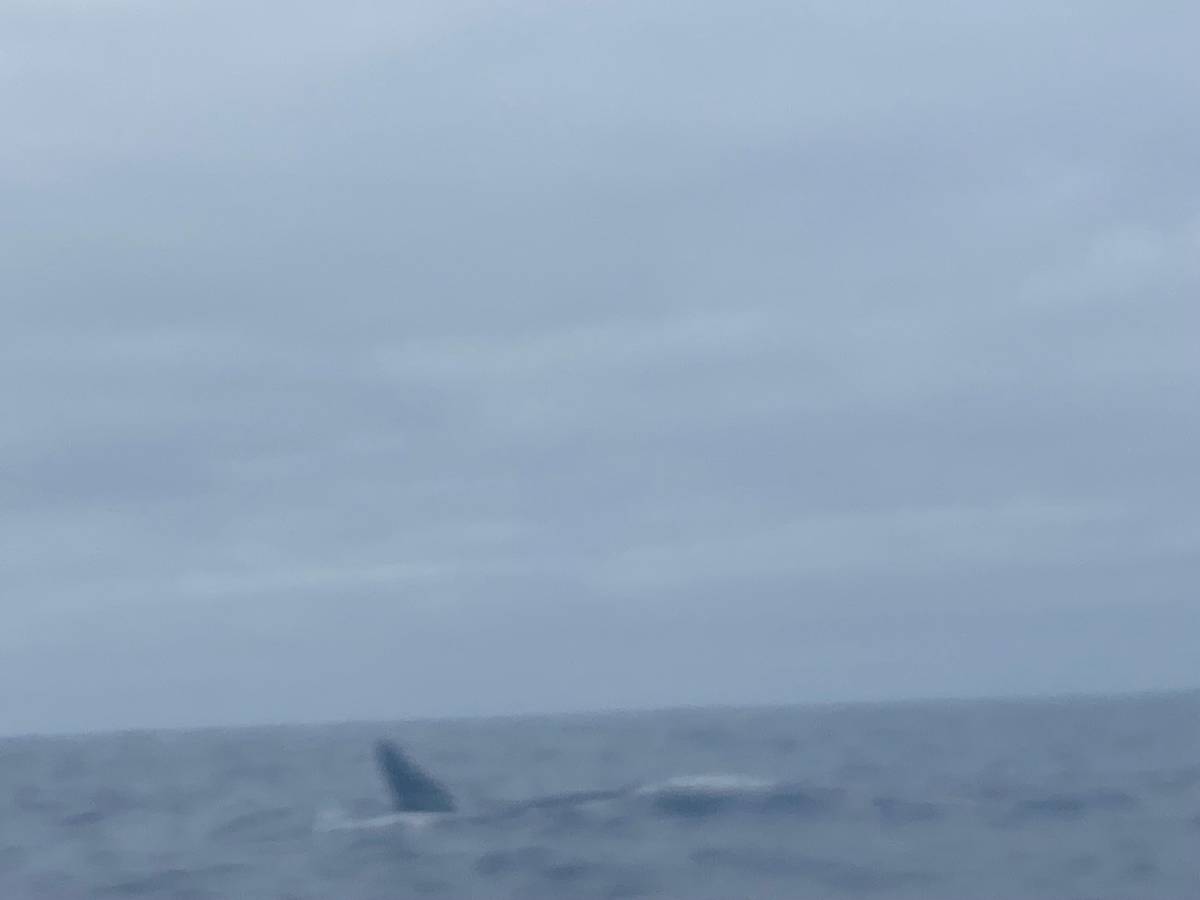 Photo stop
Whales at Andenes
Decision helper
Match the view to your time and plans
Its listing names puffins among the wildlife of the canyon trip.
The white beach stretches over 2.5 km facing the island.18
The drive can call at Bleik with a local wildlife guide.
It includes a 15-minute photo stop at Bleik.
The puffins leave around 20 August.5
From 15 April up to and including 31 July, traffic on land in the protected area is prohibited.
Across Norway the puffin is still the most numerous seabird on the mainland, and about 15,000 pairs also breed on Svalbard.19 The newest national estimate dates from 2015 and counts well over a million pairs on the mainland alone.20 Bleiksøya is one small part of that picture, but one you can see from the beach road without a boat.
Each pair raises a single chick. The egg is laid in a scree crevice or at the end of a tunnel up to two metres long that the birds dig themselves, it is incubated for 40 to 45 days, and the chick usually stays in the nest until it is 38 to 44 days old.9 That is why the adults spend the whole summer flying back and forth with fish.
Store norske leksikon links the position of the big Norwegian colonies to herring fry of the right size in June and July, the weeks when the chicks are fed.10 Watch the birds coming in low over the water with their beaks full, and you are looking at the reason the colony exists where it does.
Map
The village and its bird island, the town at the tip of Andøya, the roads and ferries in, and the winter whale coast further north.
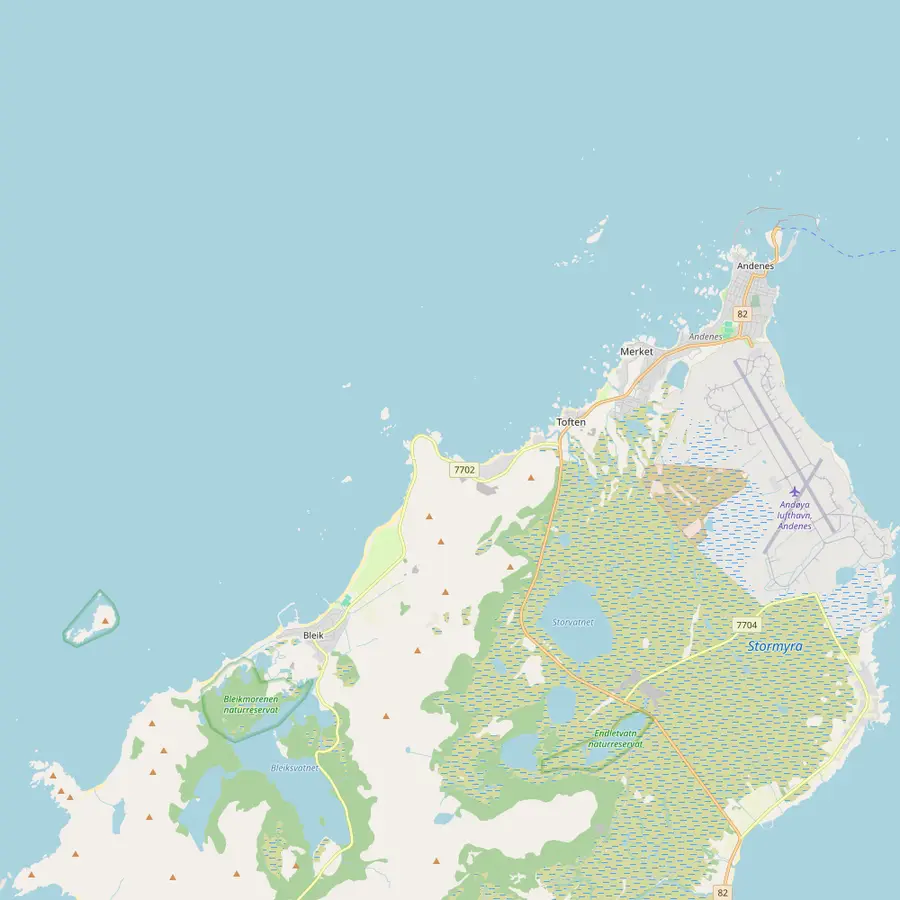 1Bleik3Bleiksøya2Andenes4Andøya Airport
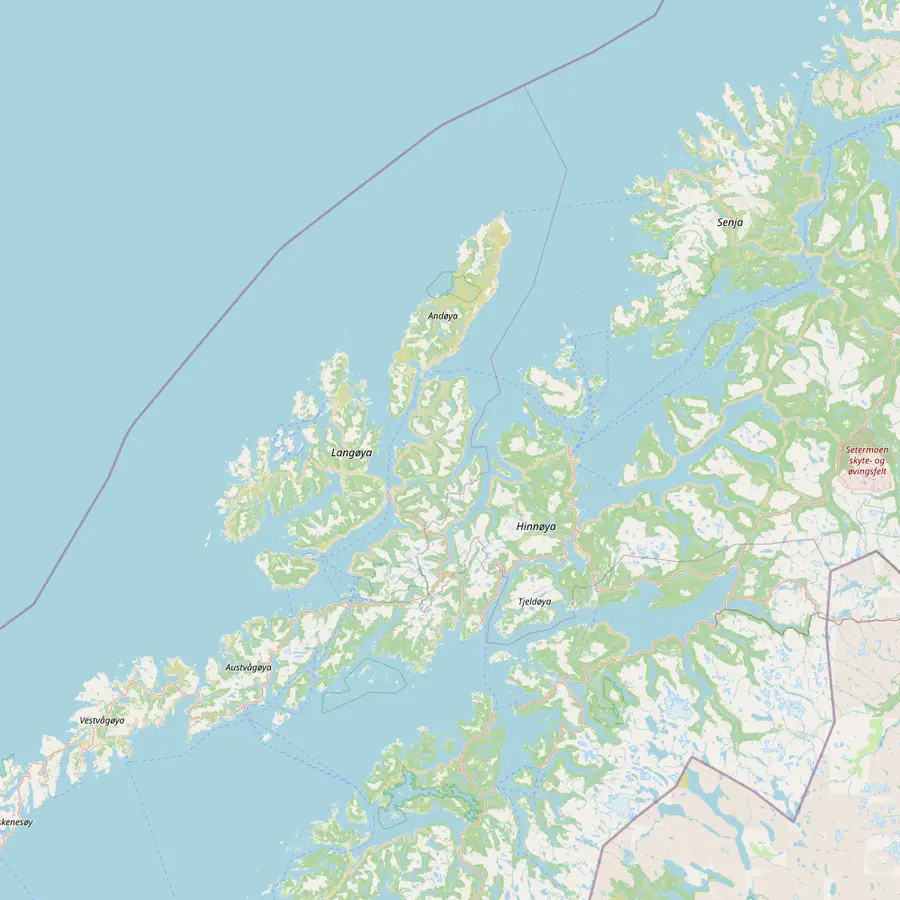 1Bleik2Andenes5Gryllefjord6Sortland7Svolvær8Evenes Airport
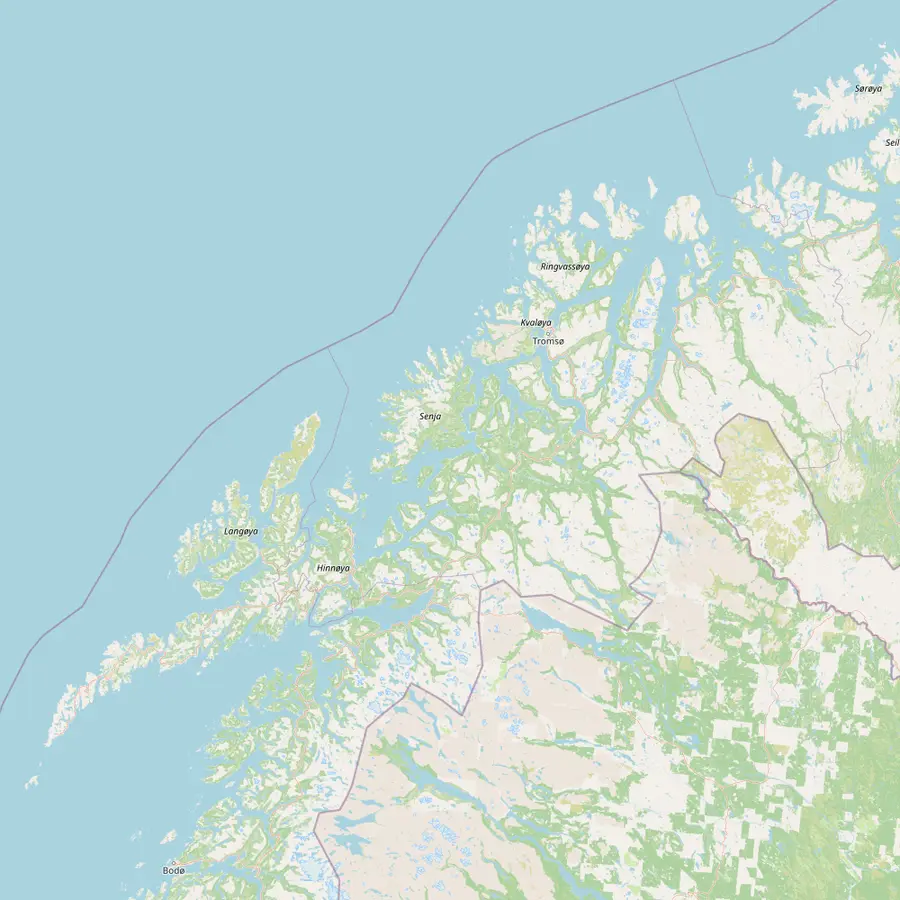 2Andenes7Svolvær9Tromsø10Skjervøy
A fishing village on the north-west side of Andøya; the speedboat trip this site recommends leaves from Bleik Marina, a 10-minute drive from Andenes.21
In Google Maps ↗The administrative centre of Andøy at the island's northern tip, and the harbour of the Andenes whale boats.22
In Google Maps ↗The bird cliff off Bleik, a nature reserve where going ashore is banned from 15 April to 31 July.63
In Google Maps ↗About one kilometre from Andenes; Avinor lists Widerøe as its only airline.2324
In Google Maps ↗The Senja end of the summer ferry to Andenes; the 2026 sailing season runs until 27 September.2526
In Google Maps ↗Starting point of a guided drive along the Andøya Scenic Route that can call at Bleik.
In Google Maps ↗Start of a 14-hour coach day trip to whale watching in Andenes, with a photo stop in Bleik.
In Google Maps ↗Harstad/Narvik airport, where Avinor lists 5 airlines.27
In Google Maps ↗Winter whale trips head north from here towards Skjervøy and Kvænangen.28
Since 2017 orcas and humpbacks have gathered in the Kvænangen area, including the fjords around Skjervøy, to feed on herring.29
Video
Nothing loads from YouTube until you press play.
The landing ban is the rule that matters most to visitors. From 15 April to 31 July inclusive, nobody may go ashore in the reserve.3 Gillnet fishing inside it is banned from 1 April to 31 August.15
Other rules apply all year. Motor traffic on land is forbidden, and so are aircraft take-offs and landings and low flying below 300 m.16 Model boats, model aircraft, jet skis and surfboards are banned in the reserve, as are camping, pitching a tent and setting up camouflage hides for photography.17
If you are tempted to bring a drone or a kayak, check the regulation text first and stay well outside the reserve's boundary. A puffin that flushes off its burrow leaves an egg or chick exposed, and a colony that has already lost most of its birds has nothing to spare.
Visit Vesterålen says puffin safaris from Bleik run from May to August.4 The birds leave Bleiksøya around 20 August, so the last weeks of summer are the end of the puffin season.5 After August the island is quiet.
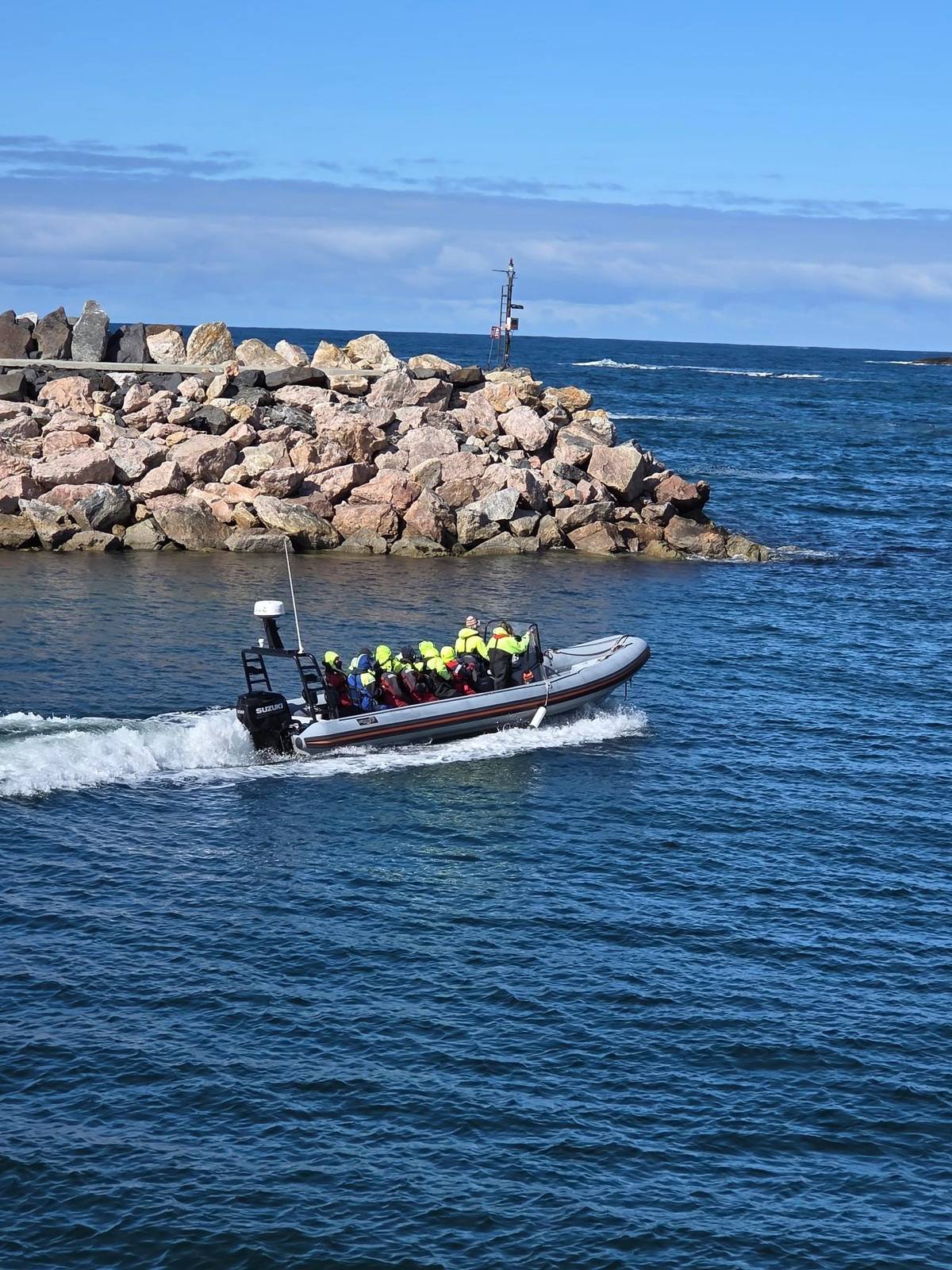
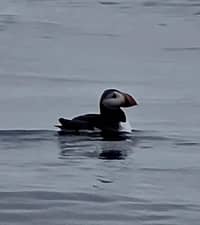
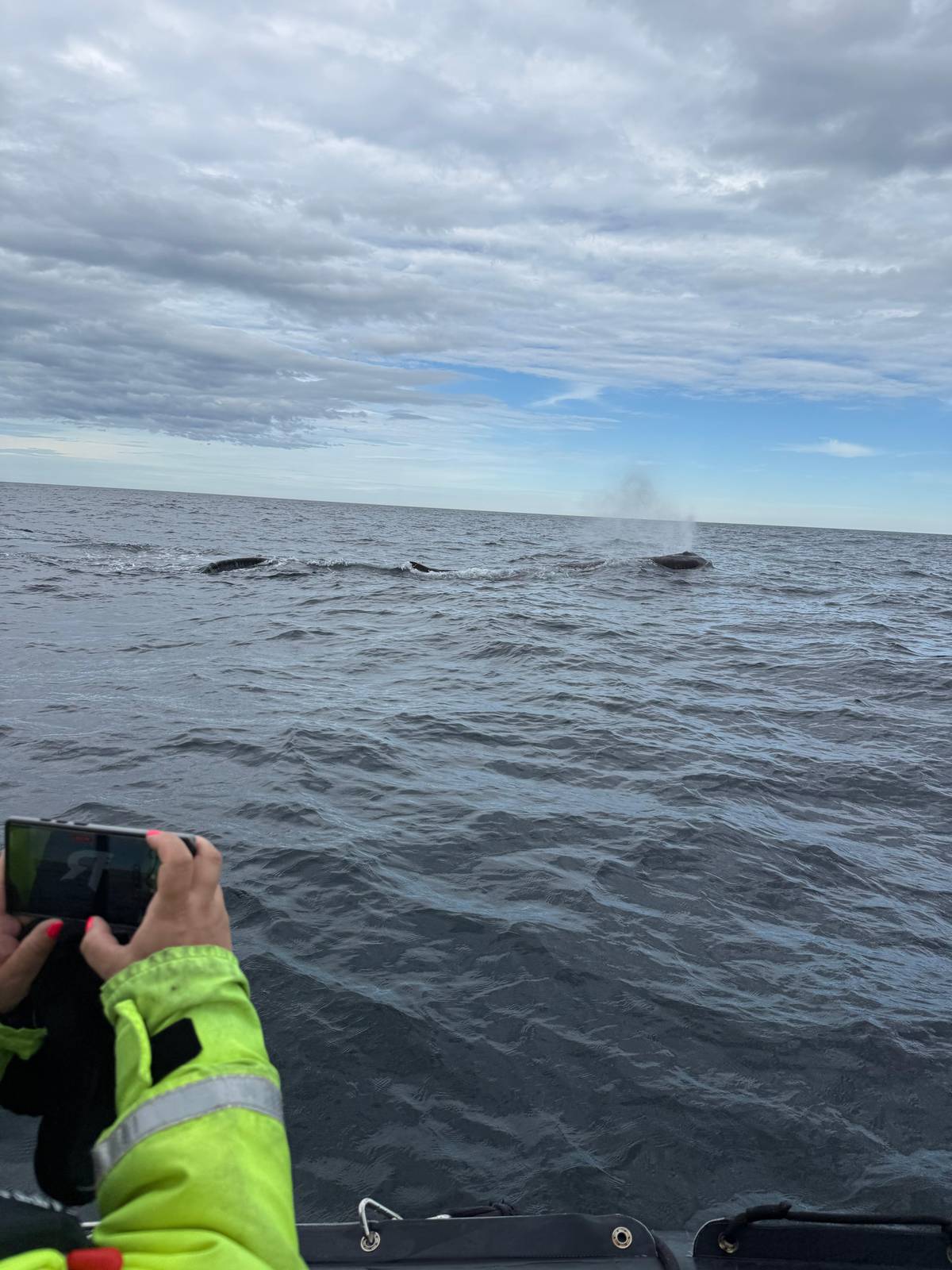
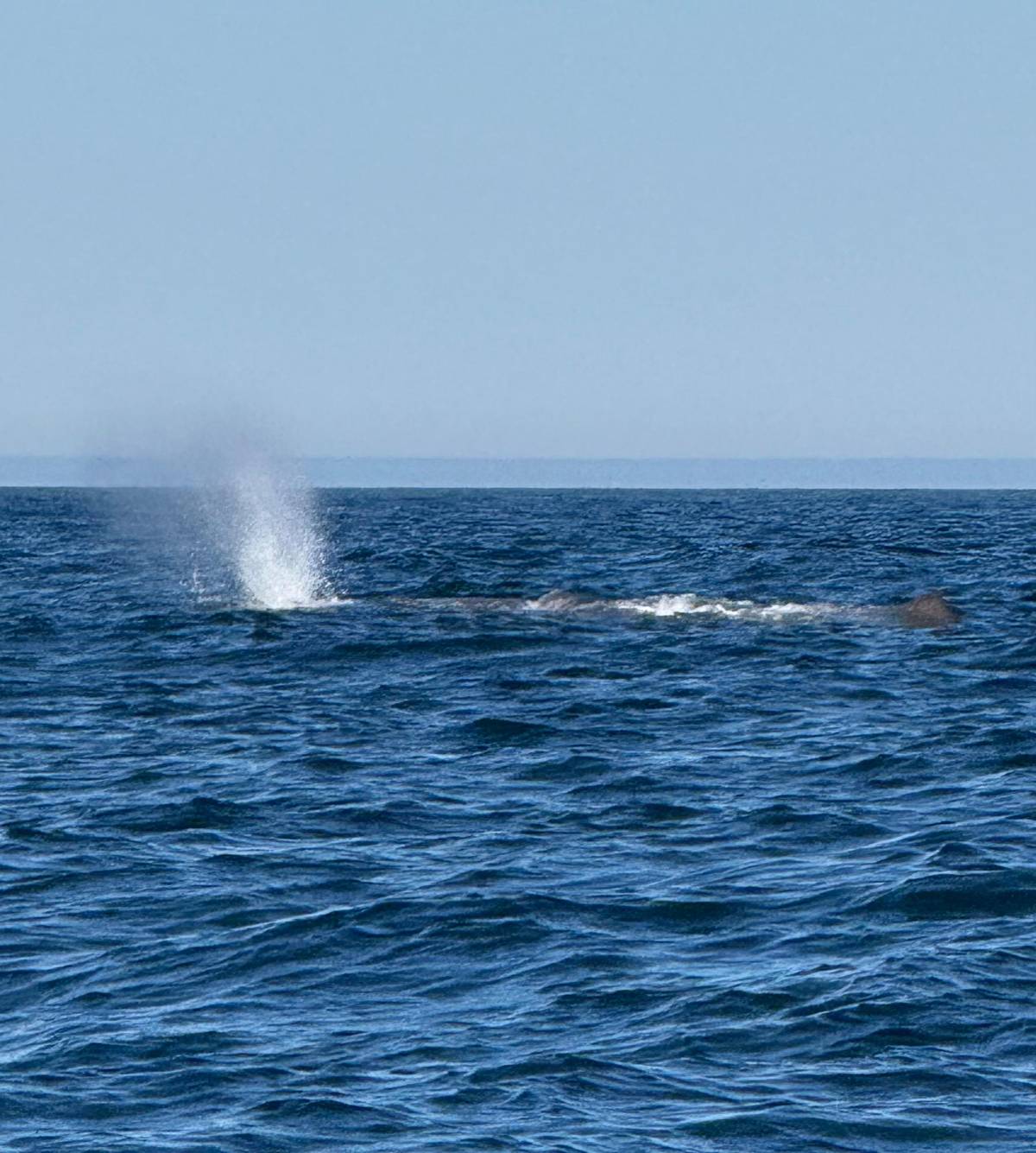
The whale trip this site recommends combines the two. Its listing names puffins among the birds you are likely to meet while searching for whales, alongside eagles, gannets and harbor seals, and its title puts the puffins next to the whales. It leaves from Bleik Marina, a 10-minute drive from Andenes.
From the water you see the island the way the birds use it: rafts of puffins resting on the sea, streams of them flying to and from the slopes, and the cliff faces above. Keep a long lens or binoculars at hand and let the boat drift. A puffin in flight is fast and small, and a burst of photos works better than a single shot. Overcast light is kinder to the black and white plumage than harsh sun, so a grey day is no reason to stay ashore.
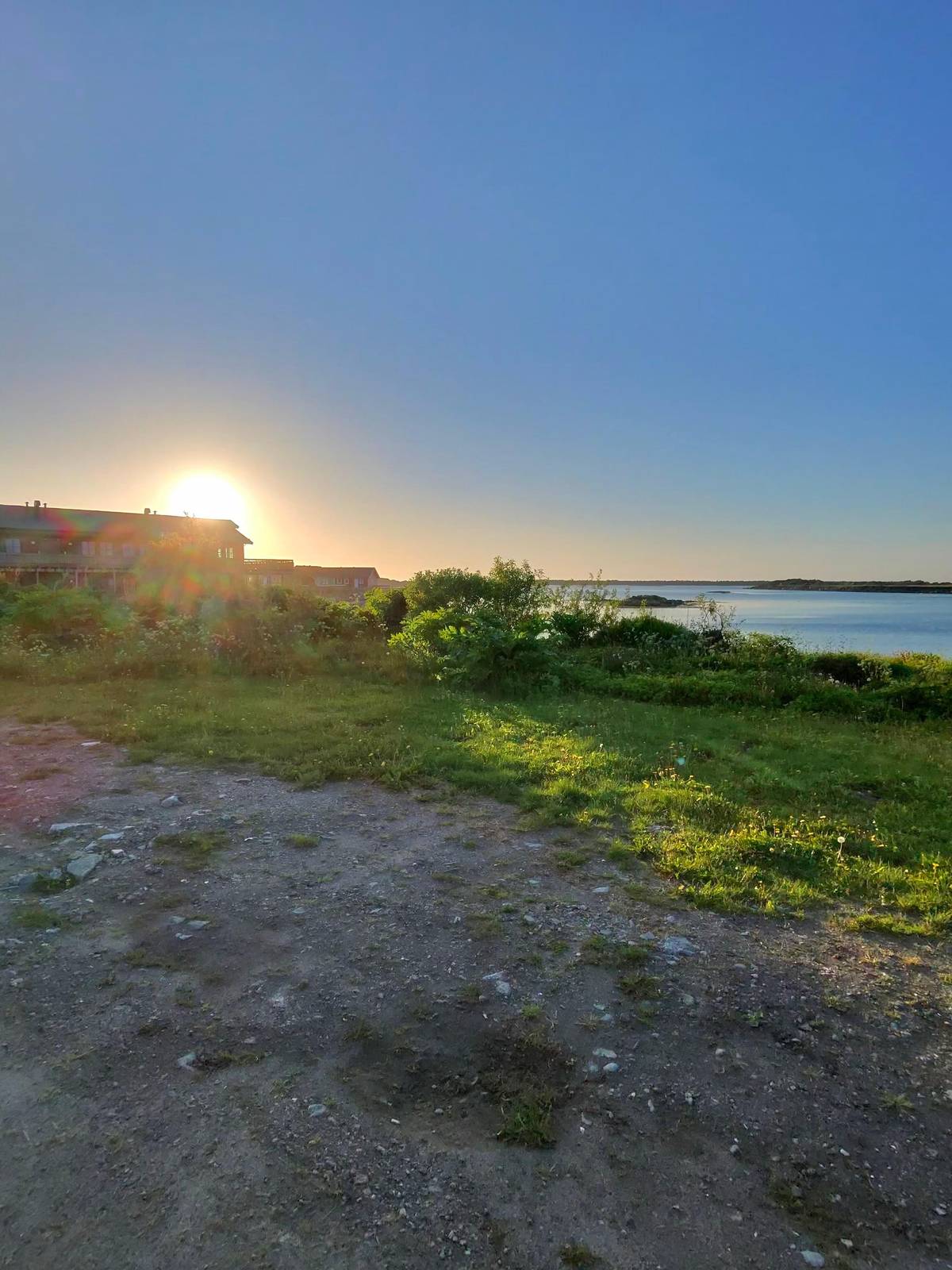
You do not need a boat for a first look. Bleikstranda, the beach just north of the village, gave Bleik its name through its white sand, and Visit Vesterålen says it stretches over 2.5 km.3018 Walk along it towards the western end and Bleiksøya fills the view across the water.
South-west of the village lies a second reserve, Bleiksmorenen, protected for its special value in Quaternary geology rather than for birds.31 It covers about 1,235 decares.32 Together with the beach and the bird island it makes Bleik a small village with an unusual amount of protected nature around it.
On land, binoculars are the best tool you can carry. On a still evening you can pick out the dark specks of birds over the island, and with patience the shapes of puffins against the grass. On a calm day the calls of the colony carry across the water, and the beach is a fine place to sit and wait. A coach day from Svolvær even builds in a 15-minute photo stop at Bleik for exactly that view.
Good puffin watching is quiet watching. Stay low in the boat, keep voices down when the skipper slows near the island, and never ask a crew to go closer than they choose to. The rules of the reserve exist because the birds are vulnerable, and the counts show it.
If you visit by land, stay on paths and keep dogs on a lead near the shore during the breeding season. Leave the island to the birds: the landing ban is not a formality but the core of the protection.3
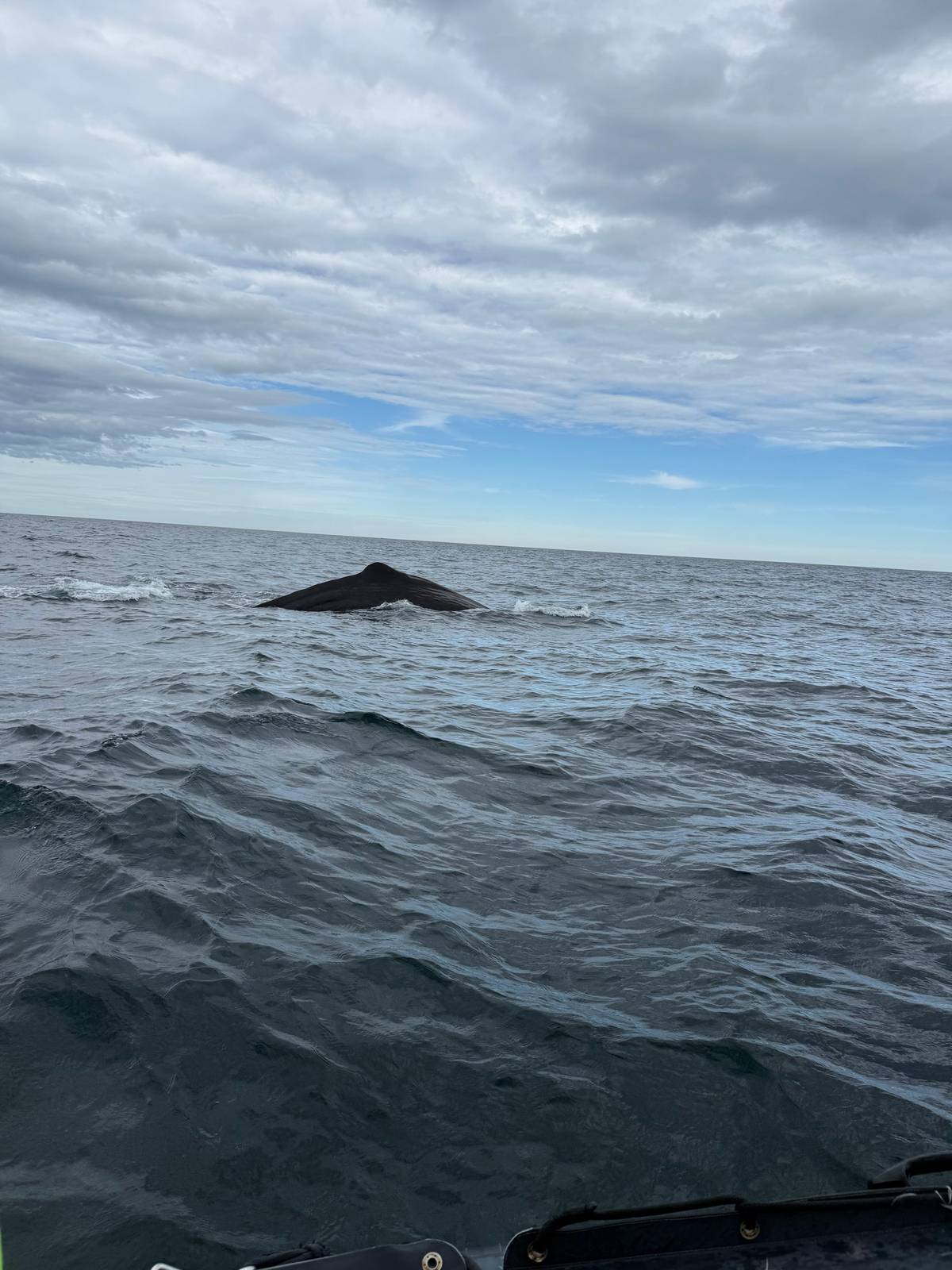
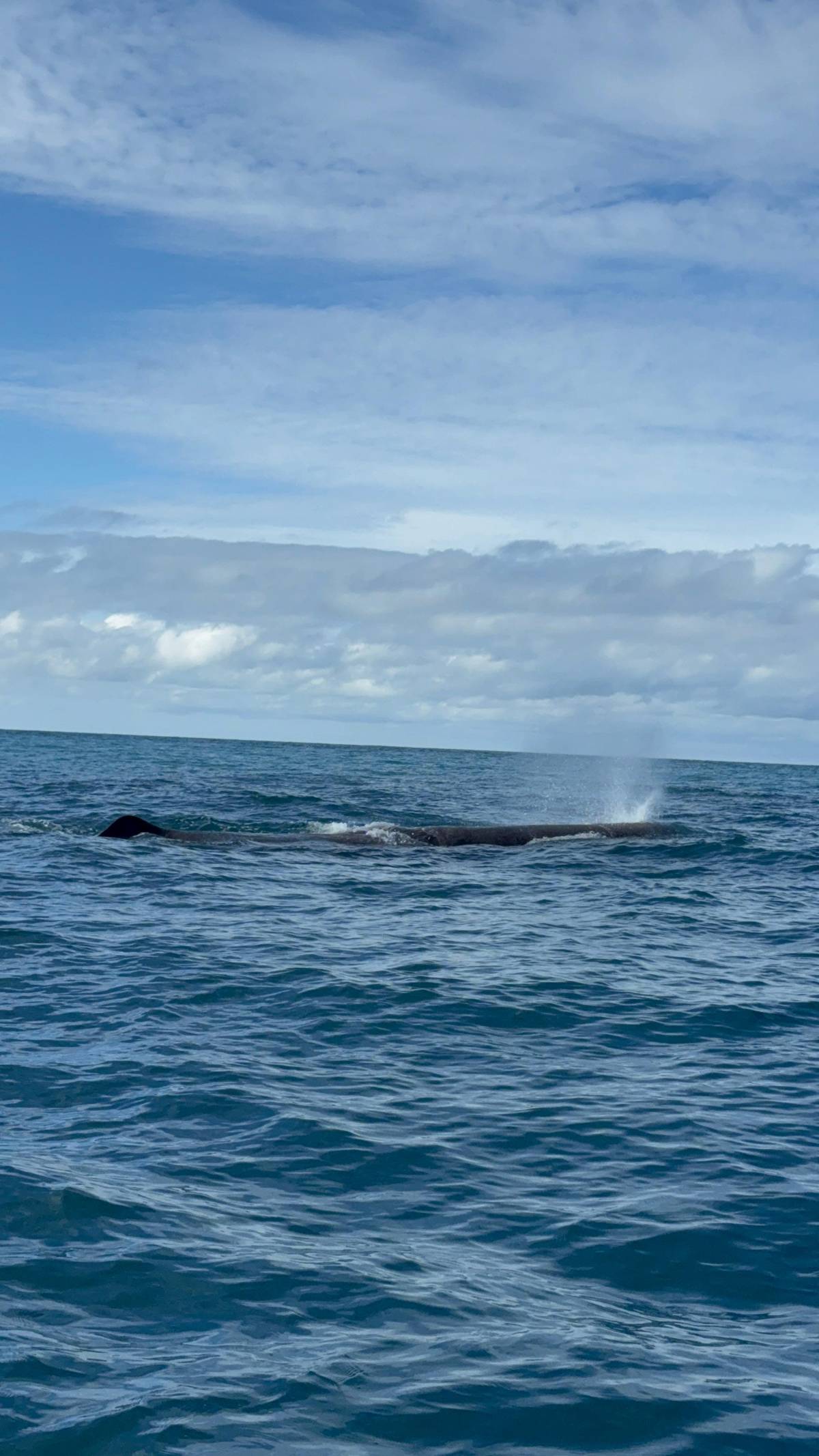
The reward for that patience is real. A puffin's bright beak, its quick wingbeats and the sheer noise of a summer colony are among the best wildlife moments in Northern Norway, and on a trip from Bleik they can come in the same few hours as a sperm whale's tail.
Pick your date
Max. 12 guests, a warm suit, a guide on board, and free cancellation up to 24 hours ahead.
Not during the breeding season. Going ashore in the reserve is banned from 15 April to 31 July.3
11,000 pairs by the 2013 count. That official estimate was 85 percent below earlier counts; a tourist page still says 80,000 pairs.213
From May to August. Puffin safaris run in those months, and the birds leave around 20 August.45
Yes, in Norway. It is red-listed as Endangered in Norway and Vulnerable globally.14
Check the rules first. The reserve bans aircraft take-off, landing and low flying below 300 m, and model aircraft.1617
Its listing names them. Puffins are among the birds the Bleik whale trip names, with eagles and gannets.
Sources